Fès is often called the culinary heart of Morocco, and its traditional dishes reflect a deep history of Arab, Andalusian, and Berber influences. When people search for Top 5 Traditional Moroccan Cuisine Fes Dishes To Try online, they are really looking for the food that defines the country's oldest imperial city — a cuisine that blends royal palace cooking, medina street food, and centuries-old family traditions.
Quick Answer: Traditional Moroccan dishes from Fès are characterized by their rich, layered use of spices, their slow-cooked meats, and their distinctive sweet-and-savory pastries, most famously Pastilla and Tanjia.
Key Takeaways
- Fès is Morocco's gastronomic capital, with dishes that are more elaborate and spice-forward than those of other cities.
- Pastilla is the signature dish — a flaky, sweet-savory pie traditionally made with pigeon, now often with chicken.
- Tanjia Fassi is a unique slow-cooked beef dish prepared in a clay urn, historically cooked in the ashes of a hammam.
- The city's culinary identity is shaped by its role as a center of learning and trade, blending Andalusian, Arab, and Berber influences.
- To experience Fassi food authentically, you must explore both the medina's small eateries and the formal riad restaurants.
The Complete Answer: What Are the Traditional Moroccan Dishes of Fès?
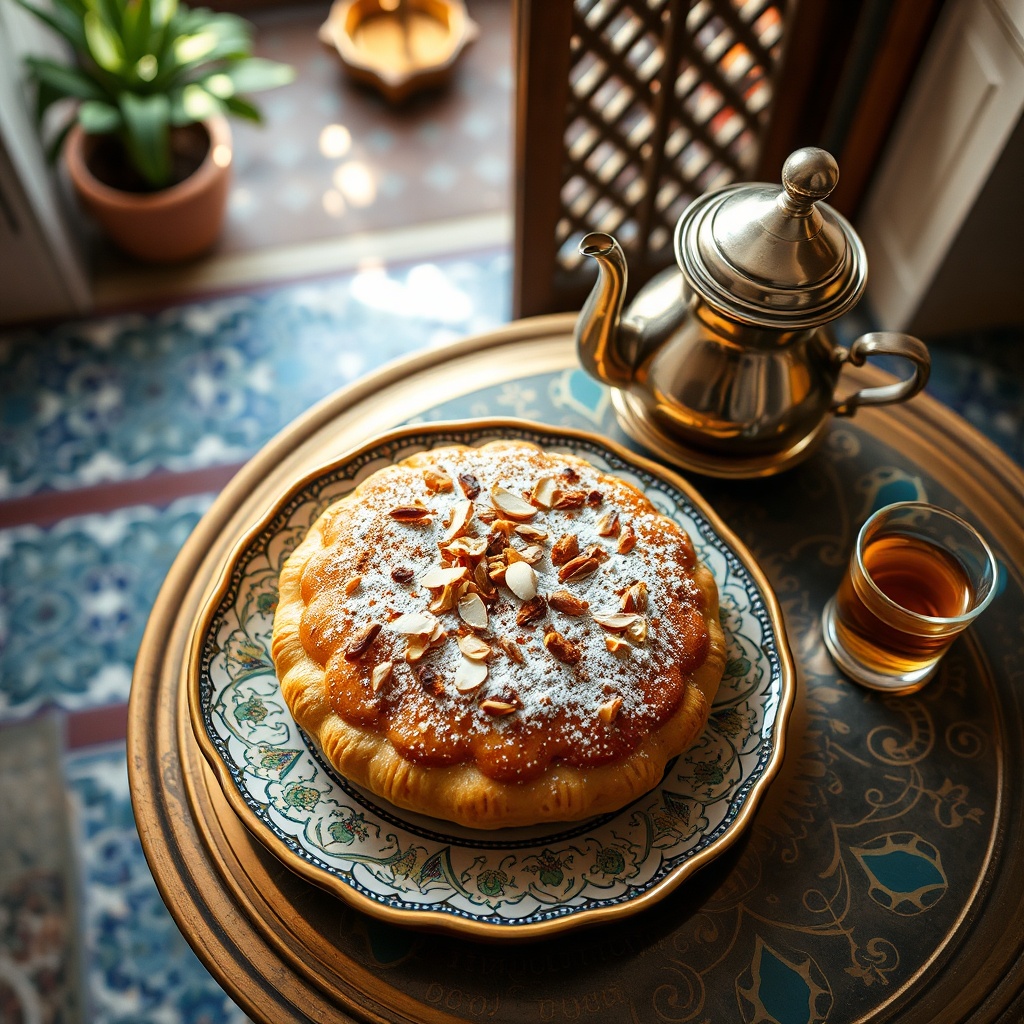
A beautiful presentation of Fès's iconic pastilla, highlighting its flaky texture and sweet-savory garnish.
Fassi cuisine is not a single style but a fusion of three major currents. The royal kitchens of the Merinid dynasty set a standard for refinement, while the medina's working-class families developed hearty, practical dishes. Over centuries, these streams merged into a repertoire that is unmistakably Fassi.
The most iconic traditional Moroccan dishes Fès is known for include Pastilla (B'stilla), Tanjia Fassi, Harira, Couscous, and slow-cooked tagines. What makes Fès unique is the use of specific spice blends, the technique of slow cooking in the hammam or communal ovens, and the emphasis on savory-sweet contrasts.
Definition: Fassi cuisine refers to the traditional cooking of Fès, Morocco's oldest imperial city, known for its refined pastries, complex spice blends, and slow-cooked meat dishes.
The Fès Culinary Identity: How History Shaped the Local Menu
The food of Fès cannot be separated from the city itself. Its position as a center of learning, trade, and political power for centuries created a food culture that is more elaborate than what you will find in most other Moroccan cities.
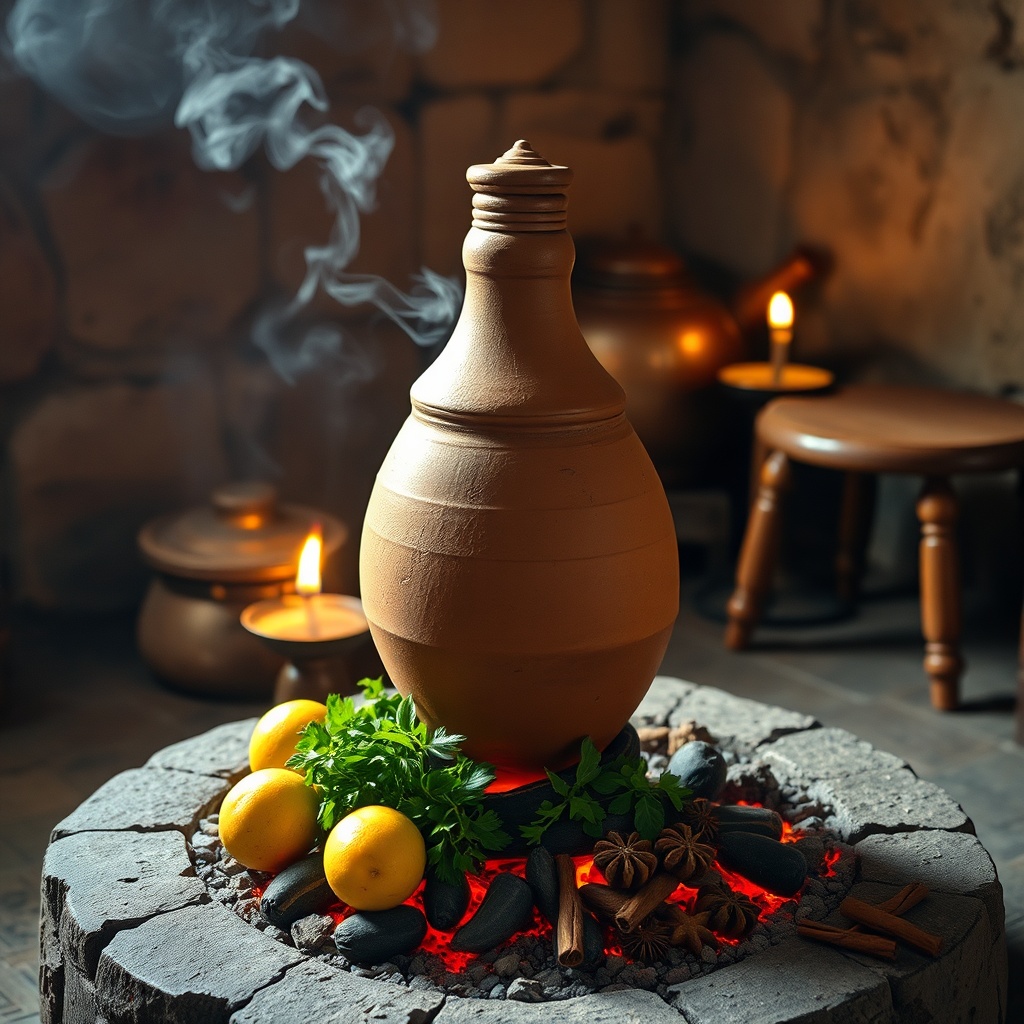
An authentic glimpse of the slow-cooked Tanjia Fassi, prepared in its traditional clay urn.
The Role of the Medina in Fassi Cooking
The dense, old medina of Fès el-Bali created a thriving food culture with specialized souks for spices, olives, and preserved lemons. Each trade had its own quarter, and the layout of the souks made it possible for cooks to source every ingredient they needed within a short walk.
One of the most distinctive features of Fassi food culture is the communal oven, known as a ferran. Families traditionally brought their bread and slow-cooked dishes to these neighborhood ovens, where the intense, even heat was ideal for baking and braising. This practice still survives in parts of the medina today.
The Andalusian and Arab Influence on Fassi Flavors
The arrival of Andalusian refugees in the 13th–15th centuries transformed Fassi cooking. These exiles brought with them refined pastry-making techniques and introduced almonds and cinnamon in ways that had not been seen before. The result is the sweet-savory balance that defines Fassi refinement.
Arab trade routes also played a role in shaping Moroccan food culture. Spices such as saffron, ginger, and cinnamon arrived through these networks and became staples of the Fassi pantry. The city's position on major trade routes meant it had access to ingredients that were rare elsewhere.
The Berber Foundation of Fassi Cooking
Before the Arab and Andalusian influences arrived, the Berber population of the region had already established the foundations of Moroccan cooking. Couscous, tagines, and the use of preserved ingredients all trace back to Berber traditions.
These three influences — Berber, Arab, and Andalusian — merged in Fès into a distinct repertoire. The result is a cuisine that feels both ancient and cosmopolitan, deeply rooted in the land yet open to the wider world.
The Signature Dishes of Fès: From Pastilla to Tanjia
If you only try two dishes in Fès, they should be Pastilla and Tanjia. Together they represent the two poles of Fassi cooking: the refined, festive pastry and the humble, slow-cooked comfort food.
Quick Answer: The two defining dishes of Fès are Pastilla, a sweet-savory pie made with flaky pastry and spiced meat, and Tanjia Fassi, a beef dish slow-cooked in a sealed clay urn.
Pastilla (B'stilla) — The Crown Jewel of Fassi Cuisine
Pastilla is the dish that most clearly shows the Andalusian influence on Fassi cooking. The dish is built in layers: thin warqa pastry, spiced pigeon or chicken, a filling of toasted almonds, and a final dusting of cinnamon and sugar.
The sweet-savory balance is what defines Pastilla. The meat is seasoned with a blend of spices that includes cinnamon, ginger, and saffron, while the top is dusted with powdered sugar and more cinnamon. This combination of flavors is the essence of Fassi refinement.
The traditional recipe uses pigeon, and this is still what you will find in some of the more established restaurants in Fès. However, chicken is now more commonly used, especially in home cooking and in restaurants outside of Morocco.
Definition: Warqa is a very thin Moroccan pastry dough, similar to filo but finer and more delicate. It is the traditional wrapping for Pastilla.
Tanjia Fassi — The City's Slow-Cooked Secret
Tanjia is the dish that is almost exclusively associated with Fès. It is prepared by marinating beef or lamb with garlic, cumin, saffron, and preserved lemon, then sealing the mixture in a clay urn.
The historical cooking method is what makes Tanjia unique. The sealed urn was traditionally placed in the embers of a public hammam overnight, where the gentle, steady heat would slowly cook the meat until it was incredibly tender. The result is a dish with a distinctive texture and smoky flavor.
Today, Tanjia is often cooked in a conventional oven, but the method remains the same: low heat, a sealed vessel, and a long cooking time. It is a dish that requires minimal active effort, making it a favorite for casual gatherings.
Other Essential Fassi Dishes
Beyond Pastilla and Tanjia, several other dishes are essential to Fassi cuisine:
- Harira: the classic tomato-based soup with lentils and chickpeas, eaten to break the fast during Ramadan and served year-round as a starter.
- Couscous: traditionally served on Friday with seven vegetables and a rich broth. The Fassi version is often more refined than the couscous found in other regions.
- Mrouzia: a sweet tagine of lamb with honey, almonds, and raisins. This dish shows the Fassi love for sweet-savory combinations in savory cooking.
- Kaab el ghazal: gazelle horn pastries often served with mint tea. These crescent-shaped cookies are filled with almond paste and scented with orange blossom water.
Comparison Table: Pastilla vs. Tanjia
| Feature | Pastilla (B'stilla) | Tanjia Fassi |
|---|---|---|
| Main ingredient | Pigeon or chicken | Beef or lamb |
| Cooking method | Baked in layers of warqa pastry | Slow-cooked in a sealed clay urn |
| Flavor profile | Sweet, savory, and spiced with cinnamon | Earthy, savory, with garlic and preserved lemon |
| Preparation time | Several hours, requires delicate pastry work | Overnight, minimal active effort |
| Typical occasion | Festive meals and celebrations | Everyday comfort food, often shared by men |
The Ingredients That Define Fassi Cooking
The flavors of Fès come from a small set of key ingredients. Understanding these ingredients is the easiest way to understand what makes Fassi food different from the cooking of other Moroccan cities.
The Essential Spice Blends
Ras el hanout is the most important spice blend in Fassi cooking. The name means "head of the shop," and it refers to a complex mixture that can contain up to 30 different spices. In Fès, each spice merchant has their own version, and the exact blend is often a closely guarded secret.
Ras el hanout is used in tagines and in meat dishes like Tanjia. Individual spices also play important roles: saffron is used in rice dishes and in Tanjia, ginger is common in chicken dishes, and cinnamon appears in both sweet and savory preparations.
Definition: Ras el hanout is a Moroccan spice blend that can contain up to 30 different spices, including cardamom, nutmeg, cloves, cinnamon, and dried rose petals. Each merchant's blend is unique.
Preserved Lemons, Olives, and Pickled Vegetables
Preserved lemons are a cornerstone of Moroccan cooking, and they add a unique sour-salty punch to tagines and Tanjia. The lemons are preserved in salt and their own juice for several weeks, which transforms their flavor.
Fassi olives are another key ingredient. The city has a long tradition of olive cultivation, and the olives are often used in tagines and as table snacks. The tradition of pickling vegetables, known as mkhallal, is also strong in Fès, with pickled turnips, carrots, and cucumbers appearing on many tables.
The Role of Almonds and Honey
Almonds are used in both savory dishes and sweets. In Pastilla, they are toasted and ground into the filling. In desserts, they are the base for kaab el ghazal and many other pastries.
Honey plays a similar dual role. It is used in desserts and in certain meat dishes like mrouzia, where it provides the sweetness that balances the savory lamb. The combination of honey, almonds, and cinnamon is one of the defining flavor profiles of Fassi cooking.
Where to Eat in Fès: A Guide to Authentic Experiences
Finding authentic Fassi food is not difficult if you know what to look for. The city offers two distinct dining experiences: formal riad restaurants and the casual eateries of the medina.
Riad Restaurants and Palace Dining
Many of the restored riads in Fès now serve traditional dishes in elegant surroundings. These establishments offer a full Fassi menu, including Pastilla and Tanjia, and provide a setting that matches the refinement of the food.
When choosing a riad restaurant, look for establishments that serve a complete Fassi menu rather than a generic Moroccan menu. The best places will offer Pastilla as a starter, Tanjia as a main course, and a selection of Fassi pastries with mint tea.
Street Food and Souk Eateries
For a more casual experience, the medina's souks offer a range of quick bites. The main souk and the spice market are good places to find small stalls selling harira, makouda (fried potato balls), and grilled meats.
The key to finding good street food in Fès is to watch where the locals eat. Busy stalls with a steady stream of customers are usually the safest bet. Prices are generally very reasonable, but it is worth asking before you order to avoid any confusion.
The Role of the Local Hammam and Oven
Some traditional dishes are still cooked in hammam embers or communal ovens, though this is becoming less common. Visitors who want to experience this can ask their riad hosts to arrange a tanjia cooked in a traditional oven.
This is one of the most authentic culinary experiences available in Fès. The dish is prepared in the morning and cooked slowly throughout the day, then served in the evening. It is a practice that connects modern visitors to centuries of Fassi food culture.
How to Cook a Traditional Fès Dish at Home
If you want to bring a taste of Fès into your own kitchen, a simplified chicken Pastilla is the best place to start. It is a manageable project that captures the essential flavors of the city.
Step-by-Step: Making a Simplified Chicken Pastilla
- Prepare the filling: cook chicken with onions, garlic, ginger, saffron, cinnamon, and parsley until tender.
- Shred the chicken and mix with a handful of toasted almonds, beaten eggs, and fresh herbs.
- Brush a baking dish with melted butter and layer sheets of warqa or filo pastry.
- Spread the chicken mixture over the pastry, fold the edges over, and brush with more butter.
- Bake at 180°C until golden and crisp, about 25–30 minutes.
- Dust the top with a mixture of cinnamon and powdered sugar before serving.
Warqa pastry is difficult to make at home, and store-bought filo is a practical substitute. The texture will be slightly different, but the flavors will still be authentic.
Tips for Adapting Fassi Recipes
When cooking Fassi dishes at home, use a heavy-bottomed pot or a tagine for slow cooking, and never rush the process. The low, slow cooking is what gives Fassi dishes their distinctive tenderness.
If you cannot find preserved lemons, a quick substitute is a mix of lemon juice and a pinch of salt. It is not a perfect replacement, but it will provide the sour-salty note that the dish needs.
Start with a small amount of ras el hanout and adjust to taste, as it can be overpowering. The blend is designed to be used sparingly, and too much will mask the other flavors.
Common Mistakes to Avoid
- Overcooking the pastry, which makes it soggy rather than flaky.
- Using too much cinnamon, which can mask the other spices.
- Skipping the resting time for the filling, which helps the flavors meld.
Frequently Asked Questions (FAQ)
What is the most famous traditional dish in Fès?
Pastilla (B'stilla) is widely considered the signature dish of Fès, known for its sweet-savory combination of spiced meat, almonds, and cinnamon.
What is Tanjia and why is it unique to Fès?
Tanjia is a slow-cooked beef or lamb dish prepared in a sealed clay urn. It is unique because it was traditionally cooked overnight in the embers of a public hammam, giving it a distinctive tender texture and smoky flavor.
Is Fassi cuisine very different from other Moroccan regional cuisines?
Yes, Fassi cuisine tends to be more refined and elaborate, with a greater emphasis on sweet-savory combinations, intricate pastries, and complex spice blends like ras el hanout.
Can vegetarians find traditional Fassi dishes?
While many dishes are meat-based, you can find vegetarian versions of tagines, couscous, and harira. The vegetable couscous and a simple harira are excellent options.
Where is the best place to try authentic Fassi food?
For the most authentic experience, explore the medina's small eateries and ask your riad host to recommend a spot. For a more formal setting, a traditional riad restaurant serves a full Fassi menu.
Conclusion
Fès is Morocco's culinary capital, and its food is a direct expression of the city's history. The traditional Moroccan dishes Fès is known for — Pastilla, Tanjia, Harira, and Couscous — are not just recipes but a living connection to centuries of trade, migration, and cultural exchange.
If you visit Fès, make it a priority to try Pastilla and Tanjia. These two dishes capture the full range of Fassi cooking, from the refined elegance of the palace kitchen to the hearty comfort of the medina. Explore the markets, watch the locals, and let the city guide you.
And if you cannot travel, try making a simplified Pastilla at home. The best way to understand Fassi food is through its history, its people, and its deep connection to the city itself.