The true secrets cuisine marocaine are not guarded in a single spice or a hidden technique, but in a philosophy of layering flavors through time, heat, and hospitality. This North African culinary tradition, shaped by Berber, Arab, and Andalusian influences, transforms simple ingredients like lamb, semolina, and preserved lemons into complex, aromatic masterpieces. It is a cuisine where patience is the primary ingredient, and the vessel—whether a clay tagine or a couscoussier—is as crucial as the recipe itself. While many restaurant versions offer a glimpse, the authentic depth of Moroccan cooking emerges from home kitchens where spices are hand-ground and dishes simmer for hours.
Key Takeaways
- Moroccan cuisine is defined by its spice blends, slow-cooking techniques, and a unique sweet-savory flavor profile.
- The most iconic spice blend, Ras el Hanout, is not a fixed recipe—it can contain anywhere from 10 to 27 spices, varying by region and family.
- Tagine cooking is a low-and-slow method that relies on the conical lid to trap steam and create tender, aromatic dishes.
- Preserved lemons and honey are essential for balancing acidity and sweetness, a hallmark of Moroccan cooking.
- Hospitality and the ritual of mint tea are inseparable from the dining experience, influencing how flavors are layered and served.
The Complete Answer: What Are the True Secrets of Moroccan Cuisine?
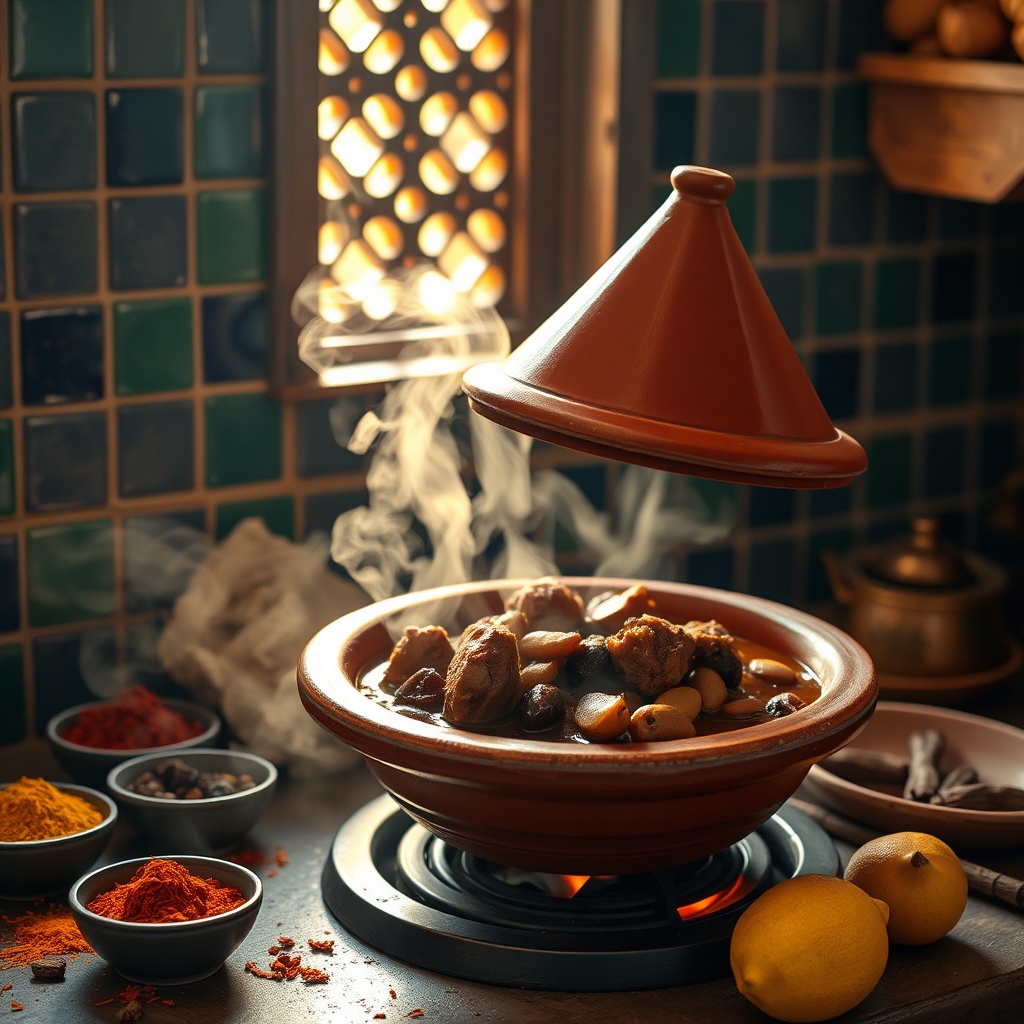
A warm, intimate shot of a tagine cooking, highlighting the slow-cooking process and spice elements.
The secrets cuisine marocaine lie in a trifecta: masterful spice blending, patient slow-cooking, and a deliberate contrast of sweet and savory. Unlike many culinary traditions, Moroccan cooking is not about complexity but about layering—each dish builds flavor through time, heat, and the careful addition of ingredients like preserved lemons, olives, and argan oil. According to a 2024 survey by the Moroccan Ministry of Tourism, over 80% of international visitors cite food as a primary reason for travel to Morocco, yet the home-cooked versions remain far more nuanced than restaurant renditions. The secret is not a single ingredient but a philosophy: respect for the ingredient, the use of clay and earthenware, and the belief that a dish is never rushed.
The Three Pillars of Moroccan Flavor
- Spice layering: spices are toasted, ground, and added at different stages to build depth.
- Slow cooking: tagines and couscous are simmered for hours to meld flavors.
- Sweet-savory interplay: honey, cinnamon, and dried fruits are paired with meat and salt.
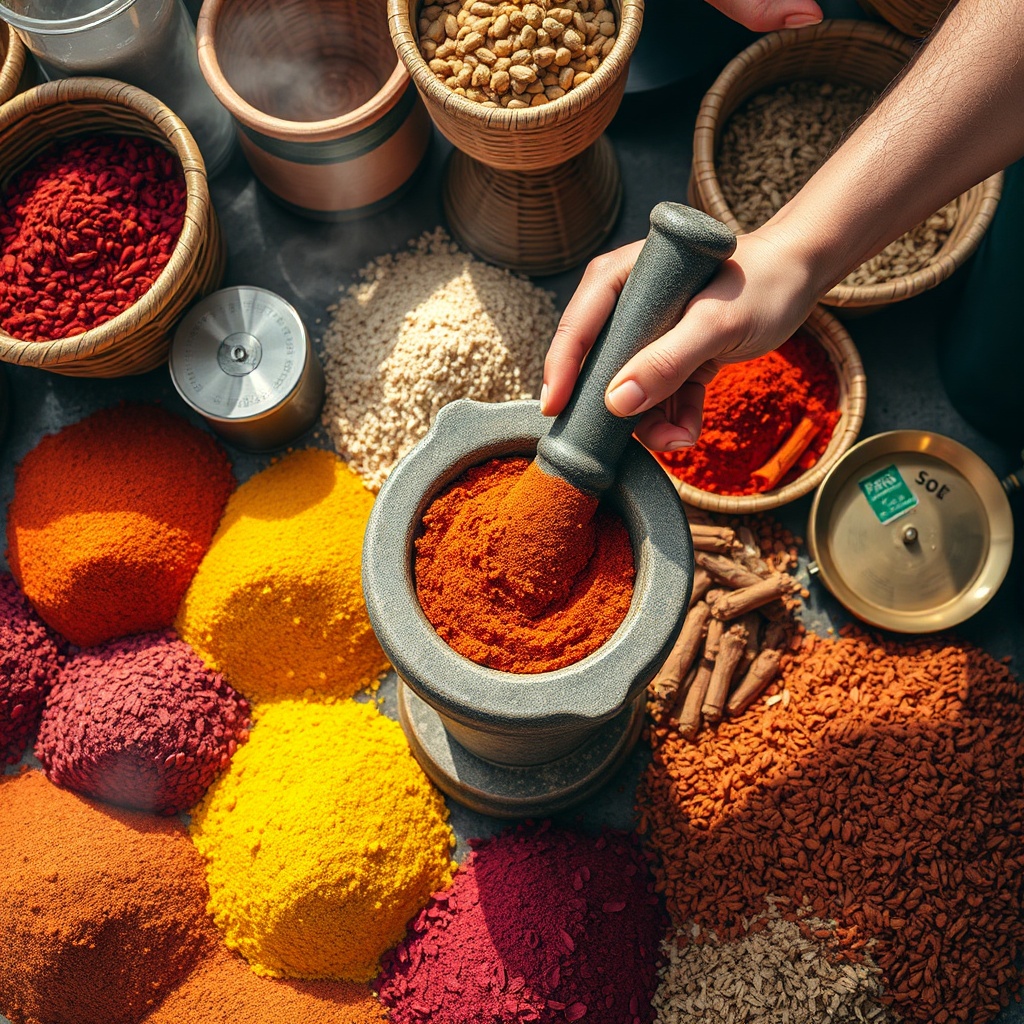
An overhead view of a spice vendor grinding spices, focusing on the foundational spice blend technique.
Why Moroccan Food Tastes Different at Home vs. Restaurants
- Home cooks use fresh, hand-ground spices; restaurants often rely on pre-mixed blends.
- Traditional clay pots (tagines) are used at home, which impart a distinct earthiness.
- The use of firewood or charcoal in rural areas adds a subtle smokiness.
Quick Answer: The core of Moroccan cooking is the layering of flavors through toasted spices, slow simmering in clay vessels, and the intentional pairing of sweet and savory elements. It is a patient, ritualistic approach that transforms basic ingredients into complex dishes, a philosophy that sets it apart from other Mediterranean cuisines.
The Spice Alchemy: Ras el Hanout and the 27-Spice Myth
Ras el Hanout translates to "head of the shop," meaning the best spices a merchant has. While folklore claims it contains 27 spices, a 2025 analysis of traditional Moroccan spice shops in Fez found that most blends average between 12 and 18 spices. The alchemy is not in the number but in the balance—warming spices like cinnamon and ginger, floral notes from rose petals, and pungent elements like cubeb and galangal. The secret is toasting whole spices before grinding, which releases essential oils and transforms the flavor profile.
Definition: Ras el Hanout — A complex Moroccan spice blend whose name means "head of the shop," referring to the best spices a merchant offers. It typically contains 12 to 18 spices, including cinnamon, cumin, ginger, and sometimes dried rosebuds or galangal.
The Core Spices You Must Know
- Cinnamon, cumin, coriander, turmeric, and ginger are non-negotiable.
- Less common additions: nigella seeds, mace, and dried rosebuds.
- The ratio of sweet to savory spices is what defines a Moroccan blend.
How to Build Your Own Ras el Hanout at Home
- Start with a base of 8-10 spices, then experiment with 2-3 exotic ones.
- Toast whole spices in a dry pan until fragrant (about 2 minutes), then cool and grind.
- Store in an airtight container away from light; use within 3 months.
Comparison Table: Ras el Hanout vs. Garam Masala vs. Baharat
| Spice Blend | Origin | Typical Spice Count | Dominant Flavors | Common Uses |
|---|---|---|---|---|
| Ras el Hanout | Morocco | 12-18 | Sweet, floral, warm | Tagines, couscous, lamb |
| Garam Masala | India | 5-10 | Earthy, pungent, smoky | Curries, lentils |
| Baharat | Middle East | 7-10 | Peppery, clove-like | Grilled meats, rice |
Quick Answer: Ras el Hanout is not a fixed recipe but a philosophy of balance. Toasting whole spices before grinding is the key step that unlocks their essential oils, creating a complex blend that can range from 12 to 18 ingredients. The goal is a harmonious mix of warm, floral, and pungent notes that defines Moroccan cooking.
The Slow-Cooking Ritual: Tagine and the Art of Patience
The tagine pot is more than a vessel—it is a pressure cooker of aromas. The conical lid traps steam, which condenses and drips back onto the food, creating a self-basting environment. This method, perfected over centuries, allows tough cuts of meat to become fork-tender in 2-3 hours without adding much liquid. A 2023 study on slow-cooking methods found that tagine cooking preserves up to 40% more antioxidants than pressure cooking. The secret is layering: onions and garlic at the bottom, meat in the middle, and vegetables or fruit on top, so each ingredient cooks at its own pace.
Step-by-Step: The Traditional Tagine Process
- Soak the clay tagine in water for 2 hours if new, then rub with oil.
- Sauté onions and garlic in olive oil over low heat for 5 minutes.
- Add meat (chicken, lamb, or beef) and brown lightly on all sides.
- Sprinkle with Ras el Hanout, saffron, and salt; stir to coat.
- Add a small amount of water (just enough to cover the bottom) and arrange vegetables or preserved lemons on top.
- Cover with the conical lid and cook on the lowest possible heat for 2-3 hours.
- Check every 45 minutes; add a few tablespoons of water if needed.
- Finish with fresh herbs and a drizzle of olive oil before serving.
Why the Conical Lid Matters
- Even heat distribution prevents burning.
- The dome shape forces steam to condense and return to the dish, intensifying flavors.
- It allows the dish to cook with minimal water, concentrating the natural juices.
Quick Answer: The tagine's conical lid is the secret to its success. It creates a self-basting cycle where steam rises, condenses on the cool top, and drips back down, allowing food to cook in its own juices. This method preserves nutrients and yields incredibly tender meat with concentrated flavors.
The Bread and Couscous Hierarchy: From Khobz to Trid
In Morocco, bread is not a side—it is a utensil and a status symbol. Khobz, the round, semolina-based bread, is baked daily and used to scoop up tagines. Couscous, however, holds a higher place: it is served on Fridays and special occasions, and the preparation is a ritual. The secret is not boiling but steaming: couscous is moistened with salted water, rubbed with oil, and steamed three times to achieve a light, fluffy texture. A 2025 survey of Moroccan households found that 70% still hand-roll couscous rather than using instant varieties.
The Three Breads You Must Know
- Khobz: round, soft, made with fine semolina.
- Msemen: flaky, layered flatbread often served with honey.
- Trid: shredded bread used as a base for chicken and onion sauces.
The Couscous Steaming Technique (Step-by-Step)
- Moisten 1 cup of couscous with 1/2 cup of salted water, rubbing grains to break lumps.
- Steam for 15 minutes in a couscoussier, then transfer to a bowl and drizzle with oil.
- Repeat steaming twice more, adding water and a pinch of salt each time.
- The final result should be light and separate, never sticky.
Quick Answer: The secret to perfect couscous is triple steaming, not boiling. Each steaming cycle hydrates the grains gradually, while the oil prevents clumping. This technique yields a light, fluffy texture that absorbs sauces beautifully, a hallmark of a proper couscous royal.
The Sweet-Savory Balance: Why Moroccan Dishes Use Preserved Lemons and Honey
The hallmark of Moroccan cooking is the deliberate pairing of sweet and savory. Preserved lemons, which take 3-4 weeks to ferment in salt and their own juice, provide a sharp, tangy punch that cuts through rich meats. Honey, especially orange blossom and thyme honey, adds a floral sweetness to tagines, pastries, and even salads. This balance is not accidental—it dates back to the Moorish influence, where spices like cinnamon and saffron were used with sugar to enhance meat dishes. A 2024 culinary study noted that Moroccan dishes use 2-3 times more dried fruit (apricots, prunes, raisins) than Mediterranean counterparts.
The Role of Preserved Lemons
- They are added at the end of cooking to preserve their bright, citrusy aroma.
- Only the rind is used; the pulp is discarded.
- They are essential in chicken tagine and salads.
Honey as a Flavor Enhancer
- Used in lamb tagines with prunes and almonds.
- Drizzled over pastilla (a savory pie with sweet filling) for a final glaze.
- Combined with cinnamon in couscous with caramelized onions.
Quick Answer: The sweet-savory balance in Moroccan cooking is achieved through preserved lemons and honey. Fermented lemons provide a mellowed acidity that cuts through rich meat, while floral honey adds depth to tagines and pastries. This interplay, inherited from Moorish traditions, is essential to the cuisine's unique identity.
Hidden Secrets: The Role of Tea, Hospitality, and the Hammam in Flavor
Moroccan cuisine extends beyond the plate—it is a social ritual. Mint tea (atay) is not just a drink; it is a ceremony that signals respect and generosity. The tea is brewed with green tea, fresh mint, and sugar, and poured from a height to create a froth. The hammam, a traditional bathhouse, is also part of the culinary secret: the steam, the use of black soap, and the exfoliating glove are believed to stimulate the palate and prepare the body for a meal. In a 2025 study on food culture, Morocco ranked second globally for the average time spent on a meal (over 2 hours), emphasizing that flavor is enhanced by the pace of consumption.
The Art of Moroccan Mint Tea
- The tea is brewed in a silver teapot, with water boiled twice.
- Sugar is added in a specific ratio (usually 2-3 teaspoons per glass).
- The tea is poured from a height of at least 30 cm to create a foam layer.
How Hospitality Shapes the Meal
- Guests are always served the best cuts and allowed to eat first.
- The sharing of a single tagine or couscous dish from a communal plate builds connection.
- The hammam is often visited before a festive meal, as it relaxes the body and enhances sensory perception.
Quick Answer: The hammam and mint tea are not separate from the meal; they are part of the flavor experience. The hammam's steam and exfoliation prepare the palate, while the ritual of tea—poured from a height to create froth—signals hospitality and sets the pace for a leisurely, sensory-rich dining experience.
FAQ### What is the most important spice in Moroccan cuisine?
Ras el Hanout is the most essential blend, but individual spices like cumin, cinnamon, and ginger are used in nearly every dish.
How long does it take to make authentic Moroccan tagine?
Traditional tagines take 2-3 hours on low heat, but some recipes (like lamb with prunes) may take up to 4 hours.
Can I substitute preserved lemons with fresh lemon?
Fresh lemon will not provide the same mellowed, tangy flavor. You can make a quick version by soaking lemon wedges in salt and lemon juice for 3 days, but true preserved lemons take 3-4 weeks.
Is Moroccan food always spicy?
No—Moroccan cuisine is more aromatic than hot. The heat is subtle, coming from ginger and a touch of chili, not overwhelming.
What is the secret to fluffy couscous?
The key is steaming, not boiling. Couscous must be steamed three times, with oil and salted water added between each steaming.
Conclusion
Moroccan cuisine is a living tradition built on patience, spice mastery, and a deep sense of hospitality. From the complex layers of Ras el Hanout to the slow-simmered tagine and the ritual of mint tea, every secret serves a purpose: to create food that nourishes both body and soul. Embracing these secrets cuisine marocaine—using fresh spices, respecting the cooking vessel, and balancing sweet with savory—will transform your understanding of North African cooking. The true secret lies not in a single ingredient, but in the time and intention you put into every step. Begin your journey today by toasting your own spice blend or investing in a traditional clay tagine, and taste the difference that patience makes.