Fès vs Marrakech is one of the most common questions for first-time visitors to Morocco, and for good reason. These two imperial cities sit at opposite ends of the country's cultural spectrum. Fès is the spiritual and intellectual heart of Morocco, a medieval labyrinth that feels like a living museum. Marrakech is the vibrant, cosmopolitan hub, known for its bustling main square, luxury riads, and energetic nightlife. This guide gives you a practical, side-by-side comparison so you can choose the right city for your trip.
Key Takeaways
- Fès is the spiritual and intellectual heart of Morocco, with a medieval medina that feels like a living museum.
- Marrakech is the vibrant, cosmopolitan hub, known for its busy main square, luxury riads, and nightlife.
- Fès offers a more authentic, less commercialised experience; Marrakech is more tourist-friendly and easier to navigate.
- The two cities are best for different types of travellers: Fès for history and culture, Marrakech for shopping and entertainment.
- A single trip can combine both, but you need to plan for the travel time between them.
The Complete Answer: Fès vs Marrakech — Which Should You Choose?
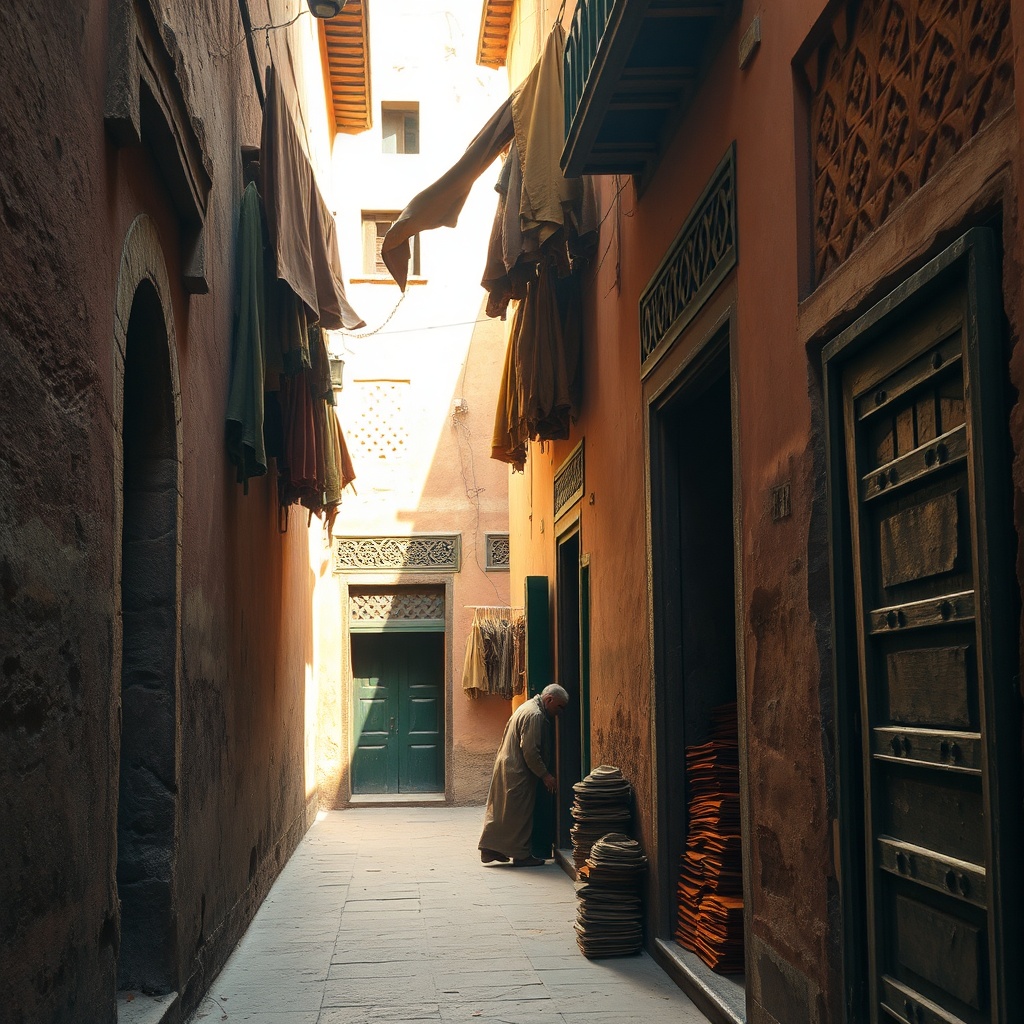
A quiet, atmospheric glimpse into Fès's historic medina, emphasizing its artisan heritage and living-museum feel.
Quick Verdict for Different Types of Travelers
- Choose Fès if you want deep history, artisan crafts, and a genuinely immersive old city.
- Choose Marrakech if you want a lively atmosphere, rooftop dining, and an easy introduction to Morocco.
- Choose both if you have at least 7-10 days and want to see the two sides of Morocco’s imperial legacy.
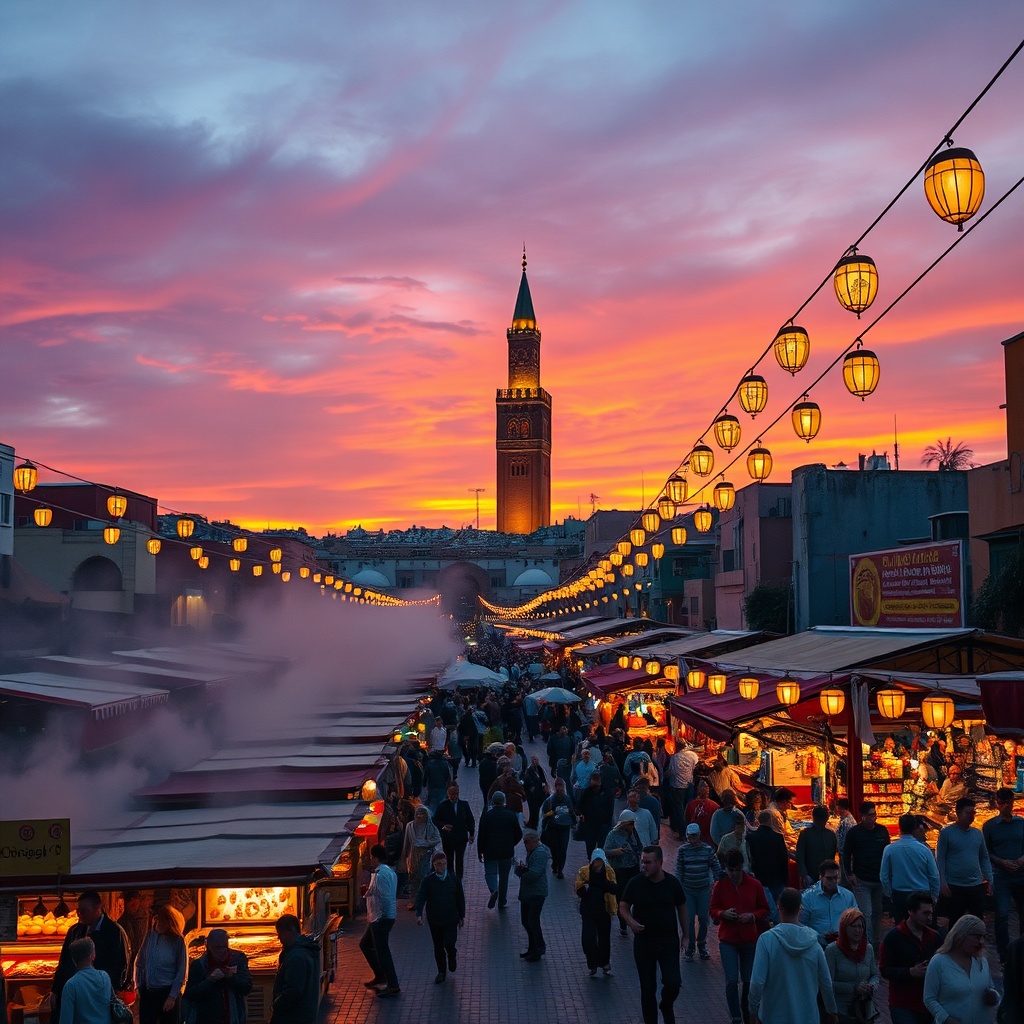
A bustling evening scene in Marrakech's iconic square, contrasting with Fès's quieter, historic medina.
The Core Differences in One Sentence Each
- Fès is the ancient, hidden capital where you walk through a thousand years of history.
- Marrakech is the modern, dynamic city where the past meets tourism, shopping, and nightlife.
Comparison Table: Fès vs Marrakech at a Glance
| Feature | Fès | Marrakech |
|---|---|---|
| Atmosphere | Spiritual, traditional, quieter | Vibrant, tourist-friendly, energetic |
| Main attraction | Fès el-Bali medina (UNESCO) | Jemaa el-Fnaa square and souks |
| Best for | History, culture, crafts | Shopping, food, nightlife |
| Navigation | Complex maze, easy to get lost | Wider streets, easier to navigate |
| Typical visitor | Culture-focused, independent travelers | First-timers, groups, short stays |
The Atmosphere and Vibe: Why Fès Feels Ancient, Marrakech Feels Cosmopolitan
Fès: The Spiritual and Intellectual Heart of Morocco
Fès carries a weight that few cities can match. Its medina, Fès el-Bali, is a UNESCO World Heritage site and one of the largest car-free urban zones in the world. The city is home to Al-Qarawiyyin University, widely regarded as the world’s oldest continuously operating university. Walking through Fès feels like stepping into a living medieval city, where donkeys still carry goods through alleys that haven’t changed in centuries.
What sets Fès apart from Marrakech is the absence of heavy tourism. You’ll find fewer crowds, less aggressive vendors, and a more genuine sense of daily Moroccan life. The tanneries, especially Chouara, offer a raw and unforgettable glimpse into centuries-old leather production. For travellers who want to understand Morocco’s religious and intellectual history, Fès is the place to be.
Marrakech: The Vibrant, Tourist-Friendly Hub
Marrakech is the opposite in nearly every way. The city revolves around Jemaa el-Fnaa, a vast square that transforms from a daytime market into a food stall paradise at night. The energy is contagious, with storytellers, musicians, and acrobats filling the space after sunset.
Marrakech has evolved into a city that blends Moroccan tradition with modern hospitality. Luxury riads, rooftop bars, and contemporary design studios sit alongside centuries-old palaces and souks. It’s a city that welcomes first-time visitors with open arms and makes it easy to enjoy Morocco without too much effort.
Quick Answer: Fès is best for travellers who want deep history and an immersive, authentic medina experience. Marrakech is best for those who want a lively, tourist-friendly city with great food, shopping, and nightlife.
How the Vibe Affects Your Itinerary
- Step 1: Start early in the morning to explore the souks before the crowds. This works in both cities.
- Step 2: In Fès, allocate more time for getting lost and discovering hidden corners. The city rewards slow wandering.
- Step 3: In Marrakech, plan for a late afternoon rooftop break and an evening at Jemaa el-Fnaa.
- Step 4: Adjust your pace — Fès rewards patience, Marrakech rewards participation.
Navigating the Medinas: Fès vs Marrakech (Practical Differences)
The Labyrinth of Fès el-Bali vs the Wider Streets of Marrakech
Definition: A medina is the old, walled quarter of a North African city, typically characterised by narrow, winding streets and traditional architecture.
Fès el-Bali is a dense, winding labyrinth that can feel overwhelming at first. The alleys are narrow, often covered, and branch off in every direction. There are no wide boulevards inside the medina, and getting lost is almost guaranteed.
Marrakech’s medina, by contrast, has a more open layout. The main thoroughfares are wider and easier to follow, and the city’s key landmarks are more spread out. While you can still get turned around, Marrakech is far more forgiving for self-guided exploration.
Getting Lost, Getting Found: Guides, Maps, and Navigation Apps
In Fès, hiring a licensed guide is often worth the cost. The medina’s complexity can eat up hours of your day, and a guide helps you see the tanneries, madrasas, and artisan workshops without frustration. In Marrakech, you can comfortably explore on your own, though a guide can still add context to the history of the souks and palaces.
Offline map apps work in both cities, but they can be unreliable inside Fès’s covered alleys. GPS signals struggle in the narrowest parts. In Marrakech, the medina’s wider streets make navigation apps more useful.
Step-by-Step: How to Plan a One-Day Visit to Each Medina
- Step 1: Choose your starting point — Bab Boujloud in Fès, Jemaa el-Fnaa in Marrakech.
- Step 2: Set a time limit for wandering (e.g., 2-3 hours) to avoid exhaustion.
- Step 3: Identify one or two key sights to visit — the tanneries in Fès, Bahia Palace in Marrakech.
- Step 4: Plan a rest stop at a café or riad to re-energise.
- Step 5: Allow time for shopping but be prepared to bargain in both cities.
Culture, Crafts, and Shopping: What Each City Does Best
Fès: Leather, Ceramics, and the Famous Tanneries
Fès is the undisputed capital of Moroccan craftsmanship. The Chouara Tanneries are the city’s most famous sight, where hides are dyed in ancient stone pits using natural methods. You can view the process from a rooftop terrace, which is the best way to take in the colours and scale of the operation.
Beyond leather, Fès is famous for its blue ceramics, woven textiles, and intricate woodwork. Many of the artisan workshops are family-run, and the skills have been passed down for generations. In Fès, you’re buying from people who have practised their craft their entire lives.
Marrakech: Souks, Spices, and Modern Design
Marrakech’s souks are a sprawling network of stalls that cover everything from spices and textiles to lanterns and jewellery. The city has also become a hub for creative entrepreneurs, with modern Moroccan design brands selling alongside traditional goods.
You’ll find argan oil, leather bags, and handwoven blankets in abundance. The shopping experience is more commercial and more aggressive than in Fès, but the sheer variety is unmatched.
Where to Buy What — A Shopper's Quick Guide
- Buy leather in Fès, where it’s made in the tanneries.
- Buy spices, textiles, and modern design pieces in Marrakech.
- Always bargain, and start at around half the asking price.
- Avoid buying from non-certified sellers when it comes to genuine crafts like leather and ceramics.
Food and Nightlife: Eating and Evening Experiences
Fès: Traditional Restaurants and Family-Run Riads
Fès is the place to eat traditional Moroccan cuisine in its most authentic form. Family-run riads serve home-cooked meals that feel intimate and personal. Classic dishes like pastilla, tagine, and harira are prepared with care, often in settings that feel like a private dining room rather than a commercial restaurant.
The evening in Fès is quiet. Dinner is usually served early, and the medina settles down after dark. It’s a city for slow, thoughtful meals rather than late-night adventures.
Marrakech: Street Food, Rooftop Bars, and Nightlife
Marrakech is the opposite. As night falls, Jemaa el-Fnaa fills with food stalls serving everything from grilled meats to fresh juices. The atmosphere is chaotic and exciting, and eating there is an experience in itself.
Beyond the square, Marrakech has a growing rooftop bar scene. Many riads and hotels offer rooftop dining with views over the medina and the Atlas Mountains. The nightlife can extend late, with live music and social scenes that appeal to a younger, international crowd.
Quick Answer: In Fès, dinner is a quiet, traditional affair in a family-run riad. In Marrakech, the evening is a social event, with street food stalls and rooftop bars keeping things lively late into the night.
A Comparison of Dining Experiences
- Fès: quieter, more traditional, dinner often ends early.
- Marrakech: lively, social, dinner and nightlife can extend late.
- Advice: In Fès, book dinner at a riad; in Marrakech, plan for a rooftop or food stall experience.
Practicalities: Getting There, Staying, and Costs
Getting to Fès vs Marrakech
Marrakech has a larger international airport, making it a more convenient entry point for most first-time visitors. Fès is also served by an airport, but it’s smaller and has fewer direct connections.
The two cities are connected by train, with the journey typically taking 4 to 7 hours depending on the service and route. A domestic flight is also an option if you want to save time, though it adds the hassle of airport transfers.
Where to Stay: Riads, Hotels, and Neighborhoods
Both cities have excellent riads, but Marrakech offers a wider range of luxury options. From boutique riads with rooftop pools to large hotels on the outskirts, Marrakech has accommodation for every budget.
In Fès, staying within the medina is the most immersive choice. The same applies to Marrakech, where a riad near Jemaa el-Fnaa puts you at the heart of the action. However, Marrakech’s medina can be noisy, so some travellers prefer the quieter areas just outside it.
Budget Considerations
Marrakech is generally more expensive than Fès, especially when it comes to food and accommodation. The high tourist demand drives up prices for riads, restaurants, and experiences. Fès is more budget-friendly overall, with lower costs for meals and lodging.
The cost difference doesn’t mean Marrakech is unaffordable. There are budget options in both cities, but if you’re watching your spending, Fès will stretch your money further.
The Verdict: Which City Should You Choose?
A Decision Framework Based on Your Travel Style
Ask yourself a few questions. Do you want to get lost in history? Choose Fès. Do you want to be entertained? Choose Marrakech. Are you a first-time visitor with limited time? Marrakech is the easier choice. Do you want a deeper cultural experience? Fès is worth the extra effort.
Your tolerance for crowds matters too. Fès’s medina can feel intense, but it’s quieter than Marrakech’s main square. Marrakech is busier, more commercial, and more chaotic, but it’s also more fun for many travellers.
How to Combine Both Cities in One Trip
If you have 7-10 days, you can easily visit both. A practical route is to arrive in Marrakech, spend 3-4 nights there, then take the train to Fès for 2-3 nights. This gives you the energy and nightlife of Marrakech first, followed by the history and culture of Fès.
The train journey between them takes several hours, so plan for a travel day. Book your tickets in advance during peak season, and consider an early morning departure to maximise your time in the next city.
Frequently Asked Questions
Is Fès or Marrakech better for a first trip to Morocco?
Marrakech is generally easier for first-timers due to its tourist infrastructure, English-speaking services, and wider range of accommodation. Fès offers a more authentic experience, but it requires more patience and planning.
How far apart are Fès and Marrakech, and how long does it take to travel?
They are a significant distance apart, typically a 4-7 hour train journey. A domestic flight is faster but involves airport transfers.
Which city is safer for tourists?
Both are generally safe for tourists. Fès’s maze-like medina can be more confusing, so hiring a guide or using offline maps is recommended. In Marrakech, keep an eye on your belongings in crowded areas like Jemaa el-Fnaa.
Can I easily visit both cities in one week?
Yes, with careful planning and a willingness to travel between them. A week is enough for a quick overview of both, but you’ll need to be organised about your itinerary.
What is the best time of year to visit Fès and Marrakech?
Spring and autumn are ideal for both cities to avoid extreme heat. Summer temperatures in Marrakech can be very high, while winters are mild but can be cold in Fès.
Conclusion
Fès and Marrakech are two completely different experiences. Fès is for history, culture, and craftsmanship. Marrakech is for energy, shopping, and nightlife. Neither city is “better” — it depends on what kind of traveller you are.
If you can, visit both. The contrast between them is one of the most rewarding parts of travelling in Morocco. Plan based on your interests, your tolerance for crowds, and the time you have. Choose Fès if you want to slow down and immerse yourself in the past. Choose Marrakech if you want to dive into the present.