# Moroccan Cuisine: A Journey Through Flavors and Traditions
Moroccan cuisine is a reflection of the country's history, geography, and cultural diversity. With influences from Arab, Berber, African, and Mediterranean traditions, it represents one of the world's most distinctive and aromatic culinary traditions.
The Flavor Profile
Moroccan cooking is characterized by the harmonious blend of sweet and savory, creating complex, layered flavors. Key elements include:
Iconic Dishes
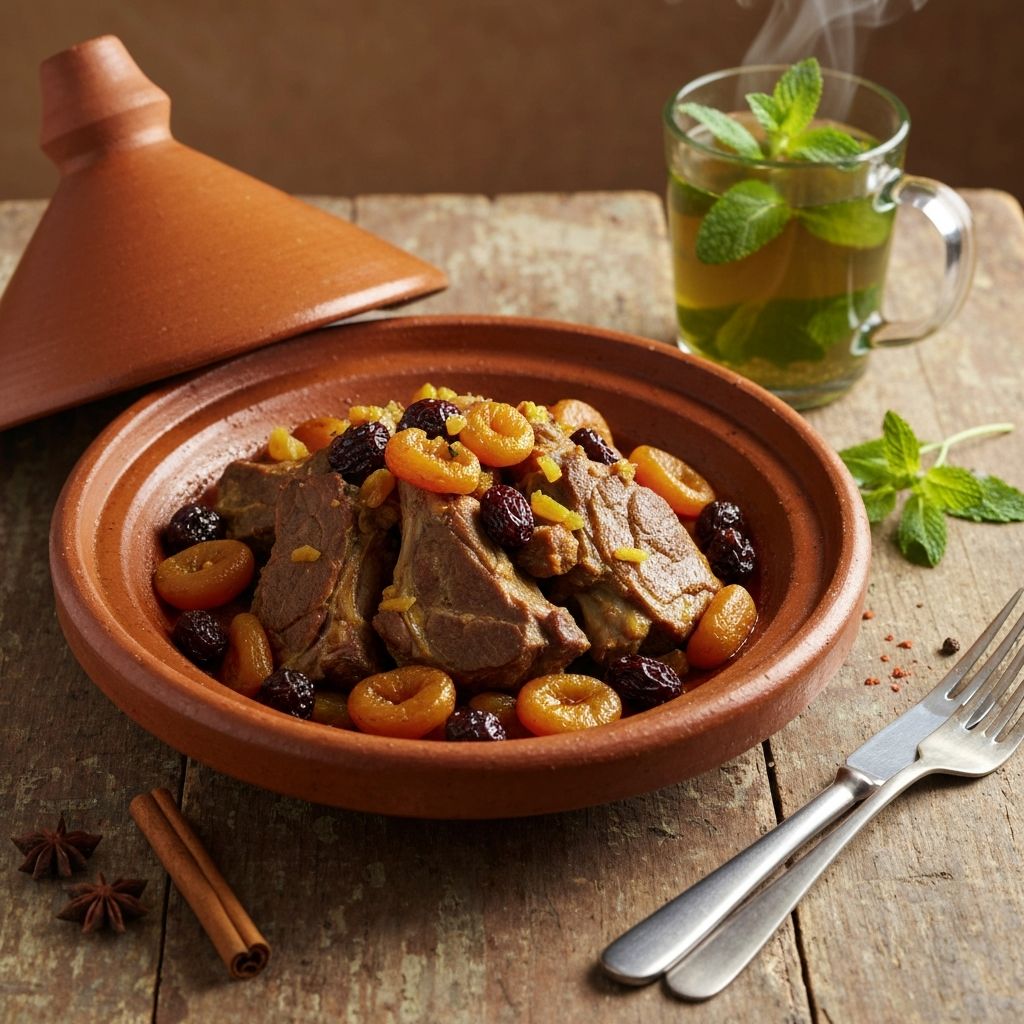
Tagine
Named after the cone-shaped cooking vessel in which it's prepared, tagine represents the essence of Moroccan cooking. These slow-cooked stews combine meat with vegetables and dried fruits.
Couscous
While couscous originated in North Africa, the Moroccan version is particularly refined. The grains are traditionally steamed and fluffed multiple times to achieve a light, fluffy texture.
Most often served on Fridays with a fragrant broth and topped with meat and vegetables.
Harira
A hearty soup traditionally served during Ramadan to break the fast. Made with tomatoes, lentils, chickpeas, and sometimes meat, it's both nourishing and deeply flavorful.
Pastilla
A sweet and savory pastry made with phyllo dough, filled with shredded meat (traditionally pigeon), almonds, and eggs. Dusted with powdered sugar and cinnamon, it's a delightful contrast of flavors.
Cooking Techniques
Bread and Basics
The Social Aspect
In Moroccan culture, food is central to hospitality and family connection:
- **Communal eating**: Dishes are shared from common pots, emphasizing community - **Hand eating tradition**: While forks are becoming more common, traditionally food is eaten with the right hand - **Guest treatment**: Guests receive the finest portions and dishes
Shopping at the Souk
The best ingredients come from local souks, where vendors sell: - Fresh herbs bundled together - Freshly ground spice blends - Preserved lemons and olives from wooden barrels - Fresh almonds and dates - Beautiful ceramics for serving
Dining Experience at Cozy Riad Fes
At our riad, we celebrate Moroccan cuisine through carefully prepared traditional meals. Our chef sources the finest local ingredients and prepares dishes using traditional methods, allowing you to experience authentic Moroccan flavors.
From breakfast pastries to elaborate evening tagines, each meal is an opportunity to explore the depth and complexity of Moroccan culinary traditions.