Fès, Morocco's spiritual and cultural capital, is home to some of the world's most authentic hammam rituals.This guide identifies the meilleurs soins hammam et spas traditionnels à Fès, balancing centuries-old practices with modern wellness standards. Whether you're a first-time visitor or a seasoned traveler, you'll discover exactly where to go, what to expect, and how to choose the perfect experience for your needs. From the steam-filled chambers of 14th-century bathhouses to the private suites of luxury riads, Fès offers a wellness journey unlike any other city in Morocco.
Key Takeaways
- The top-rated traditional hammam in Fès is Hammam Moulay Idriss, a 14th-century institution located in the heart of the Medina, offering the most authentic black soap and eucalyptus steam experience.
- Prices for a full traditional hammam treatment range from 50 to 150 MAD ($5–$15), while luxury spa packages at modern riads can cost 300–800 MAD ($30–$80).
- The signature Fassi hammam ritual involves 7 distinct steps, including steam, black soap exfoliation, ghassoul clay, and argan oil massage.
- Hygiene and gender segregation are critical: women use hammams on certain days or hours, and men on others—always confirm the schedule before booking.
- Booking in advance is essential for premium spa treatments at riads like La Maison Bleue or Palais Amani, but walk-ins are accepted at traditional public hammams.
The Complete Answer: Meilleurs Soins Hammam et Spas Traditionnels à Fès
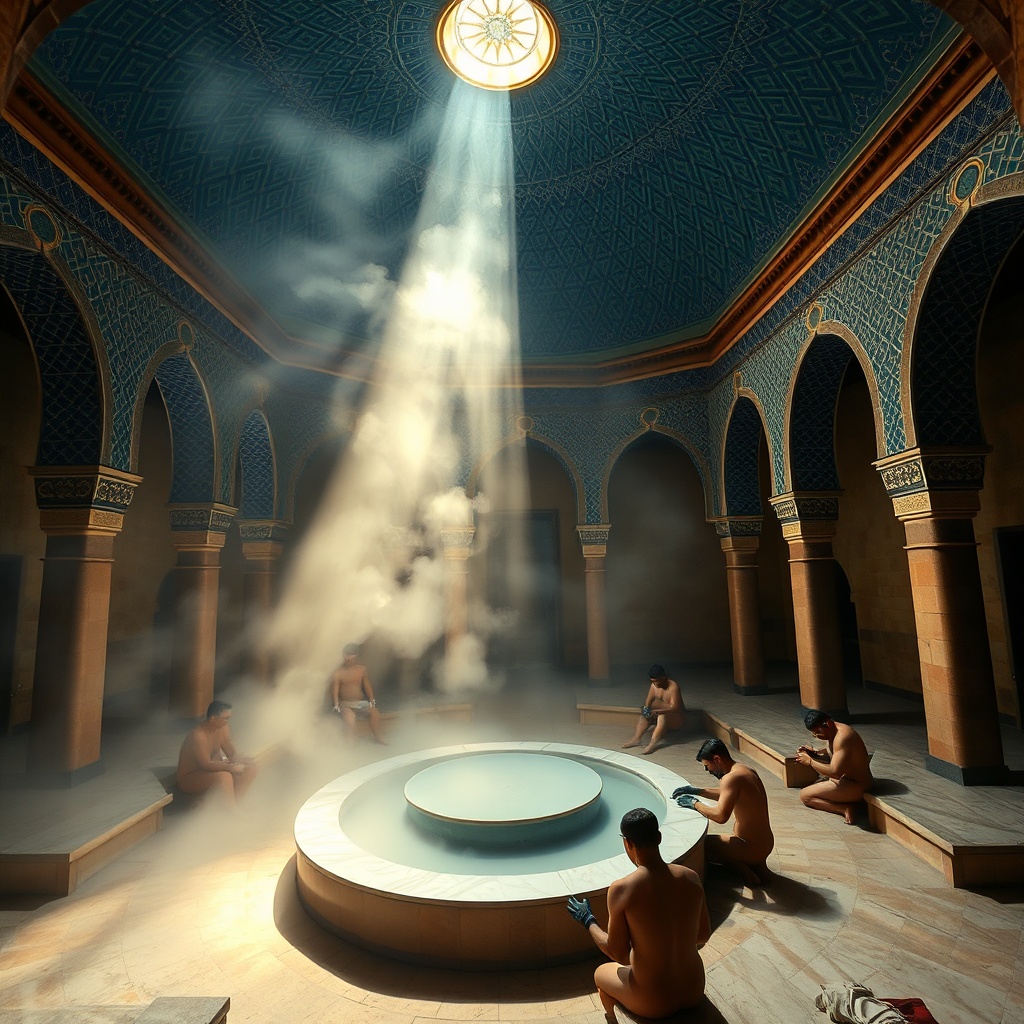
A glimpse into the authentic public hammam ritual in the heart of Fès's Medina.
The meilleurs soins hammam et spas traditionnels à Fès combine ancient purification rituals with the city's rich architectural heritage. You'll find two distinct categories: public hammams where locals gather daily, and luxury spa hammams inside restored riads. The public options deliver raw authenticity at prices under 100 MAD, while the spa versions add private steam rooms, aromatherapy, and professional massage therapists. Your choice depends entirely on whether you prioritize cultural immersion or comfort and exclusivity.
Quick Answer: The best traditional hammam experience in Fès is found at Hammam Moulay Idriss, where a full ritual costs around 80 MAD. For luxury seekers, Palais Amani Spa offers private treatments from 350 MAD. Both deliver the authentic seven-step Moroccan ritual, but the public hammam provides genuine local atmosphere.
The Top 5 Traditional Hammams
- Hammam Moulay Idriss – The oldest and most revered, located near the Zaouia of Moulay Idriss. Average price: 80 MAD. Best for: purists seeking the original ritual.
- Hammam Lalla Amina – A women-only hammam in the Batha district, known for its gentle exfoliation and rose water finishes. Average price: 60 MAD.
- Hammam Bab Guissa – Popular with locals, offering a no-frills, authentic experience with a strong steam room. Average price: 50 MAD.
- Hammam Sidi Ahmed – A historic hammam in the Andalusian quarter, famous for its cedar wood steam room and skilled masseurs. Average price: 100 MAD.
- Hammam Dar Batha – A modernized public bath that retains traditional techniques, with separate sections for men and women. Average price: 70 MAD.
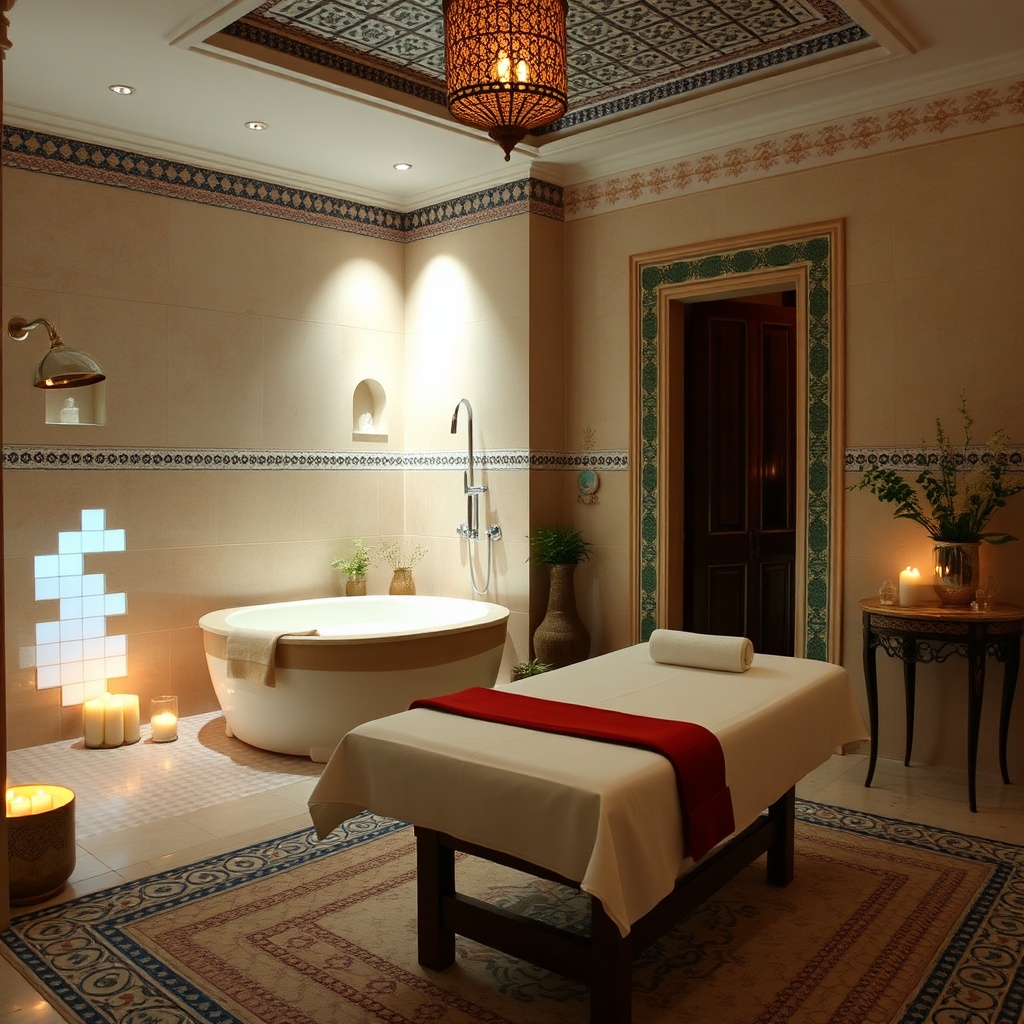
An upscale spa experience combining ancient rituals with contemporary comfort in Fès.
What Makes a Treatment "Traditional" in Fès?
- Use of beldi black soap (olive oil-based) and ghassoul clay from the Atlas Mountains.
- Steam room (bain maure) heated by wood-fired boilers, with temperatures reaching 40–45°C.
- Kessa glove exfoliation performed by professional hammam attendants.
- Final rinse with orange blossom water and application of argan oil.
Definition: A kessa glove is a rough, textured mitt used in Moroccan hammams to exfoliate the skin. It removes dead skin cells and impurities, leaving the skin incredibly smooth. The technique requires firm, rhythmic strokes performed by trained attendants.
Modern Spa Alternatives in Fès
- Palais Amani Spa – A luxury riad spa offering a blend of traditional rituals and modern aromatherapy. Prices start at 350 MAD.
- La Maison Bleue Spa – Known for its hammam suite with private steam rooms and gold-infused argan treatments. Packages from 500 MAD.
- Riad Fès Spa – Features a heated indoor pool and a traditional hammam, with a focus on couples' treatments.
The Historical and Cultural Context of Fès' Hammams
Fès' hammams are living monuments, functioning continuously for over six centuries. The city's medina, a UNESCO World Heritage site, contains more than 100 operational hammams, many built during the Marinid dynasty (13th–15th centuries). Hammam Moulay Idriss, built in 1350, still uses its original hydraulic system to draw water from the Oued Fès river.
Quick Answer: Fès has over 100 operational hammams, with some dating back 600+ years. Hammam Moulay Idriss (built 1350) is the oldest and most historically significant. These bathhouses were not just for cleaning—they served as social centers for women, hosting pre-wedding ceremonies and weekly gatherings.
The 14th-Century Origins
The Marinid sultans commissioned grand hammams as symbols of urban prosperity. Each neighborhood in the medina had its own bathhouse, typically located near mosques and souks for convenience. The hydraulic engineering was remarkably advanced—underground channels brought water from the river, while wood-fired furnaces heated it to precise temperatures.
The Social Role of the Hammam
Beyond hygiene, hammams served as community hubs for women, where they would socialize, share news, and even celebrate pre-wedding rituals. This tradition persists today, with many Fassi women visiting the hammam weekly as a social event. The hammam remains one of the few public spaces where women can gather freely without male supervision.
Architectural Features
- Domed ceilings with star-shaped openings to control steam circulation.
- Geometric tilework (zellij) and carved plaster.
- Three-room layout: cold, warm, and hot chambers, each with a specific function.
Top 5 Traditional Hammams and Spas in Fès: A Comparison
Choosing between a public hammam and a luxury spa requires understanding what each delivers. The traditional options offer cultural authenticity at rock-bottom prices, while spa versions provide privacy, premium products, and professional massage. This comparison covers the five best options spanning both categories.
Quick Answer: Public hammams cost 50–100 MAD and accept walk-ins. Luxury spa hammams cost 350–800 MAD and require reservations. The traditional option is more authentic; the spa option is more comfortable. For first-timers, a public hammam with a guide is recommended.
Comparison Table: Traditional Hammams vs. Luxury Spas
| Feature | Hammam Moulay Idriss (Traditional) | Palais Amani Spa (Luxury) | Hammam Lalla Amina (Women-only) | La Maison Bleue Spa (High-end) | Hammam Bab Guissa (Budget) |
|---|---|---|---|---|---|
| Price Range | 80 MAD ($8) | 350-600 MAD ($35-60) | 60 MAD ($6) | 500-800 MAD ($50-80) | 50 MAD ($5) |
| Ambiance | Authentic, historic, busy | Serene, private, modern | Local, community-focused | Romantic, exclusive | Basic, purely functional |
| Services | Steam, black soap, scrub, rinse | Steam, scrub, massage, facial, pool | Steam, scrub, rose water | Private hammam, gold oil massage, tea ritual | Steam, scrub, rinse only |
| Booking | Walk-in only | Reservation required | Walk-in (women only) | Reservation required | Walk-in |
| Best For | Purists, budget travelers | Couples, luxury seekers | Female travelers, locals | Honeymooners, high-end | Quick, authentic experience |
How We Ranked Them
- Authenticity – Use of traditional techniques and materials.
- Cleanliness – Regular water changes and modern drainage.
- Attendant Skill – Experience of the kessa scrubbers and masseurs.
- Atmosphere – Noise level, lighting, and architectural beauty.
- Value for Money – What you get for the price.
Insider Tips for Choosing
- Visit public hammams in the morning (8–11 AM) for the least crowded experience.
- Bring your own towel, sandals, and soap if you want to avoid rental fees (10–20 MAD).
- For women, confirm the women-only hours—usually from 9 AM to 5 PM on weekdays, with men's hours in the evening.
Step-by-Step Guide to a Traditional Hammam Ritual
The Fassi hammam ritual is a precise sequence of seven steps designed to detoxify and rejuvenate. Each stage builds on the previous one, moving from heat activation to deep exfoliation and finally to hydration. Understanding the process beforehand will help you relax and enjoy it fully.
Quick Answer: The ritual takes 60–90 minutes total. It involves warm-up, steam, black soap application, kessa exfoliation, rinse, ghassoul clay mask, and argan oil massage. The temperature in the steam room reaches 45°C. Expect to sweat heavily—this is the detoxification phase.
Before You Enter: Preparation
- Purchase your supplies – black soap (savon beldi), a kessa glove, ghassoul clay, and argan oil (available at any souk for 20–50 MAD total).
- Check the gender schedule – Women's hours are typically 9:00–17:00; men's hours are 17:00–22:00.
- Undress in the changing room – You'll keep your underwear on; lockers are available for a small fee.
The Seven-Step Ritual
- Warm-up (5 min) – Sit in the warm room to open pores and relax muscles.
- Steam (10 min) – Move to the hot room; the steam reaches 45°C, inducing heavy sweating.
- Black soap application – Apply beldi black soap all over your body and let it sit for 5 minutes.
- Exfoliation with kessa glove – The attendant scrubs your skin in long, firm strokes, removing dead skin and impurities.
- Rinse and re-steam – Rinse with warm water, then return to the steam room for 5 minutes.
- Ghassoul clay mask – Apply the mineral-rich clay to your face and body; leave for 10 minutes.
- Final rinse and argan oil massage – Rinse off, then receive a 10-minute argan oil massage to hydrate and soothe.
Aftercare
- Drink plenty of water or mint tea to rehydrate.
- Apply a moisturizer within 30 minutes to lock in hydration.
- Rest for at least 30 minutes – Your body temperature will be elevated.
What to Look for in a Quality Hammam Experience: Hygiene, Authenticity, and Service
Selecting the right hammam requires evaluating three critical factors: hygiene standards, authenticity markers, and service quality. A great experience depends on all three working together. Here's exactly what to look for during your visit.
Quick Answer: Check for continuously flowing water, fresh towels, and mandatory slipper use. Authentic hammams have wood-fired boilers and are filled with locals. Quality service means attendants guide you through each step and offer mint tea afterward. Avoid any hammam with stagnant water or barefoot walking.
Hygiene Red Flags
- Water quality – The hot room should have continuously flowing water from taps; stagnant water is a warning sign.
- Fresh towels – Ensure the hammam provides clean, dry towels or you bring your own.
- Slipper policy – You should never walk barefoot on the wet floors; slippers must be worn.
Authenticity Markers
- Locals in attendance – If the hammam is full of Fassi residents, it's likely authentic.
- Traditional heating – Look for wood-fired boilers (not electric heaters) that produce the characteristic smoky scent.
- Attendant technique – The kessa scrub should be firm but not painful; skilled attendants use rhythmic, continuous strokes.
Service Quality Indicators
- Staff responsiveness – Attendants should guide you through each step, especially if you're a first-timer.
- Language support – Many top hammams have staff who speak French and English.
- Additional amenities – Look for free mint tea or orange blossom water after the treatment.
Conclusion
Fès offers an unparalleled range of hammam experiences, from the raw authenticity of Hammam Moulay Idriss to the luxurious serenity of Palais Amani. By understanding the ritual, comparing your options, and prioritizing hygiene, you can fully immerse yourself in this 600-year-old tradition. Whether you're seeking a budget-friendly scrub or a full spa day, Fès delivers a wellness experience that connects you to the soul of Morocco. To find the meilleurs soins hammam et spas traditionnels à Fès, start with Hammam Moulay Idriss for authenticity or Palais Amani for luxury—then book your treatment and let the steam work its magic.
FAQ
What is the best time to visit a hammam in Fès?
Morning (8–11 AM) is ideal for public hammams—fewer crowds, fresher water, and cooler temperatures. For luxury spas, book an afternoon slot to enjoy the post-treatment tea service in natural light.
Do I need to book in advance for a traditional hammam?
No, public hammams accept walk-ins throughout the day. However, luxury riad spas require reservations at least 24 hours in advance, especially on weekends and during high season (April–October).
Are hammams in Fès gender-segregated?
Yes, absolutely. Most public hammams have separate hours for men and women. Women's hours are typically 9:00–17:00, and men's hours are 17:00–22:00. Some modern spas offer private couples' suites.
How much should I tip the hammam attendant?
A tip of 10–20 MAD ($1–$2) is customary for a standard scrub. For a more thorough massage or if you're at a luxury spa, 30–50 MAD is appropriate.
Is a traditional hammam safe for people with sensitive skin?
Yes, but with precautions. The black soap and kessa exfoliation can be intense. Inform the attendant to use lighter pressure. Avoid the hot room if you have a heart condition or are pregnant. Always rinse thoroughly and moisturize afterward.