Authentic Moroccan Culture in Fes: An Immersive Heritage Guide
Experiencing authentic Moroccan culture Fes requires stepping into a living, breathing medieval ecosystem that has successfully resisted modernization for over a millennium. As the country's spiritual, intellectual, and artistic cradle, Fes preserves its heritage not as static museum exhibits, but as vital daily community rituals. Within the auto-free labyrinth of the Fes el-Bali medina, master artisans hammer copper, tanners dye leather in stone vats, and scholars study at the historic University of al-Qarawiyyin. This imperial city remains the ultimate repository of Arab-Andalusian traditions, offering travelers an uncompromised look into Morocco's soul. By understanding the intricate social structures, spiritual practices, and culinary arts of this ancient city, you can move beyond standard tourism and engage deeply with an unbroken cultural legacy.
Key Takeaways
- Fes el-Bali is the world's largest car-free urban area, preserving an intact 9th-century medieval street network and guild system. * The city's authentic culture stems from a fusion of Arab, Indigenous Amazigh (Berber), and Andalusian influences. * Fassi gastronomy represents the high art of Moroccan culinary tradition, famed for complex sweet-and-savory dishes like Pastilla. * Living traditions remain rooted in daily community institutions: the neighborhood mosque, hammam, communal bakery (forn), public fountain, and school. * Unlike tourist-centric hubs, Fes maintains an active spiritual life centered around Sufi sanctuaries and the world's oldest university, Al-Qarawiyyin.
Authentic Moroccan Culture in Fes: The Living Identity of Morocco's Spiritual Capital
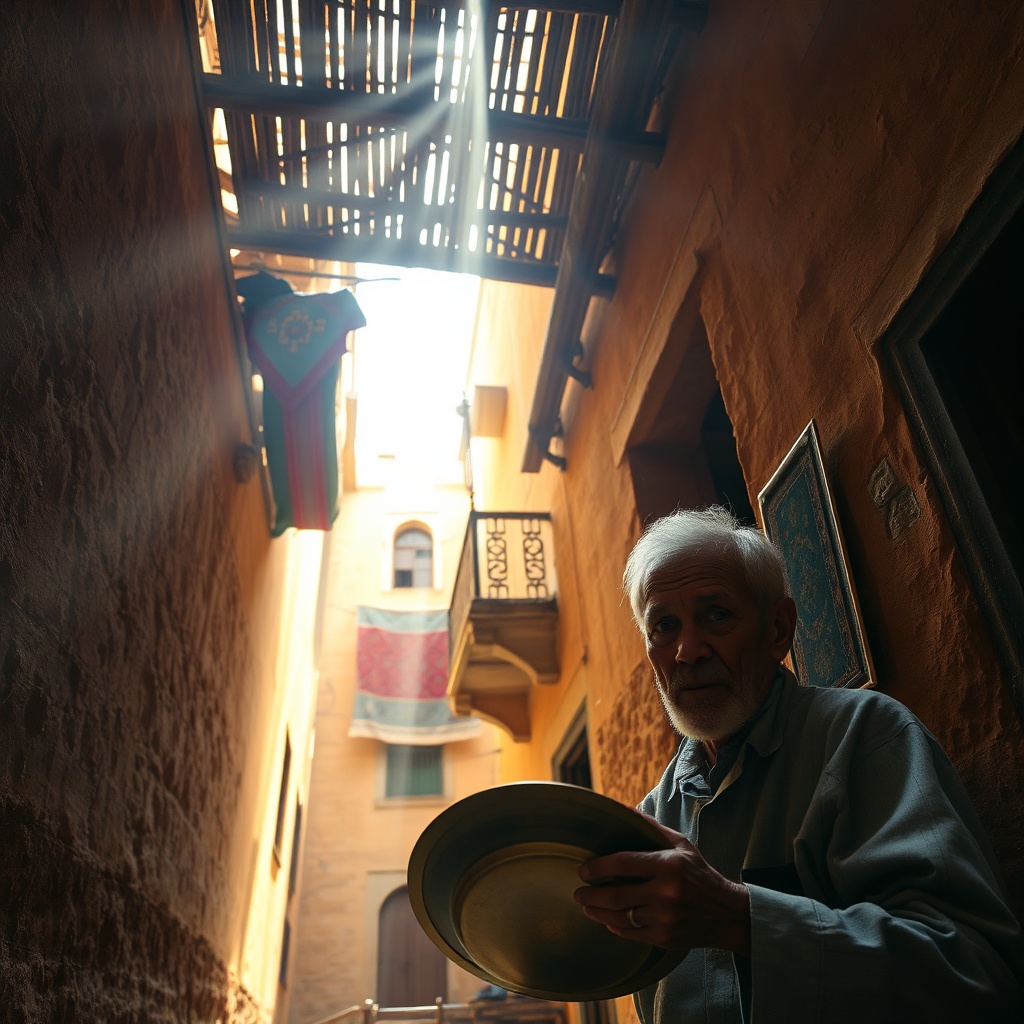
A high-detail shot of a traditional metalworker in the heart of the medieval city.
This historic metropolis represents the absolute pinnacle of Moroccan intellectual and spiritual life, shaped continuously since its founding in 789 AD by Moulay Idriss I. The city's identity relies on the preservation of Islamic medieval urbanism, strict guild-based artisanal production, and scholarly Islamic traditions. Designated a UNESCO World Heritage Site in 1981, the Fes el-Bali medina contains 9,400 labyrinthine alleys and over 300 historic mosques. This complex urban layout supports 156 historic quarters, each operating on traditional neighborhood structures that maintain social cohesion.
Definition: Fassi — A term referring specifically to the people, culture, dialect, and refined culinary style originating from the historic city of Fes.
Quick Answer: Authentic Moroccan culture in Fes is defined by the living preservation of Islamic medieval urbanism, guild-based artisanal production, scholarly Islamic traditions, and a distinct Arab-Andalusian lifestyle that has continued unbroken since 789 AD.
The Triple Identity: Arab, Berber, and Andalusian Heritage
The unique character of Fes is a direct result of major historical migrations that merged distinct cultural groups. In the 9th century, thousands of Arab families from Kairouan (modern Tunisia) and Andalusian refugees fleeing Cordoba settled on opposite banks of the Fez River. This influx blended with the indigenous Amazigh (Berber) populations, creating a sophisticated social fabric. You can hear this heritage in the refined Fassi Arabic dialect, see it in the Andalusian-influenced woodwork, and experience it during local Sufi music festivals.
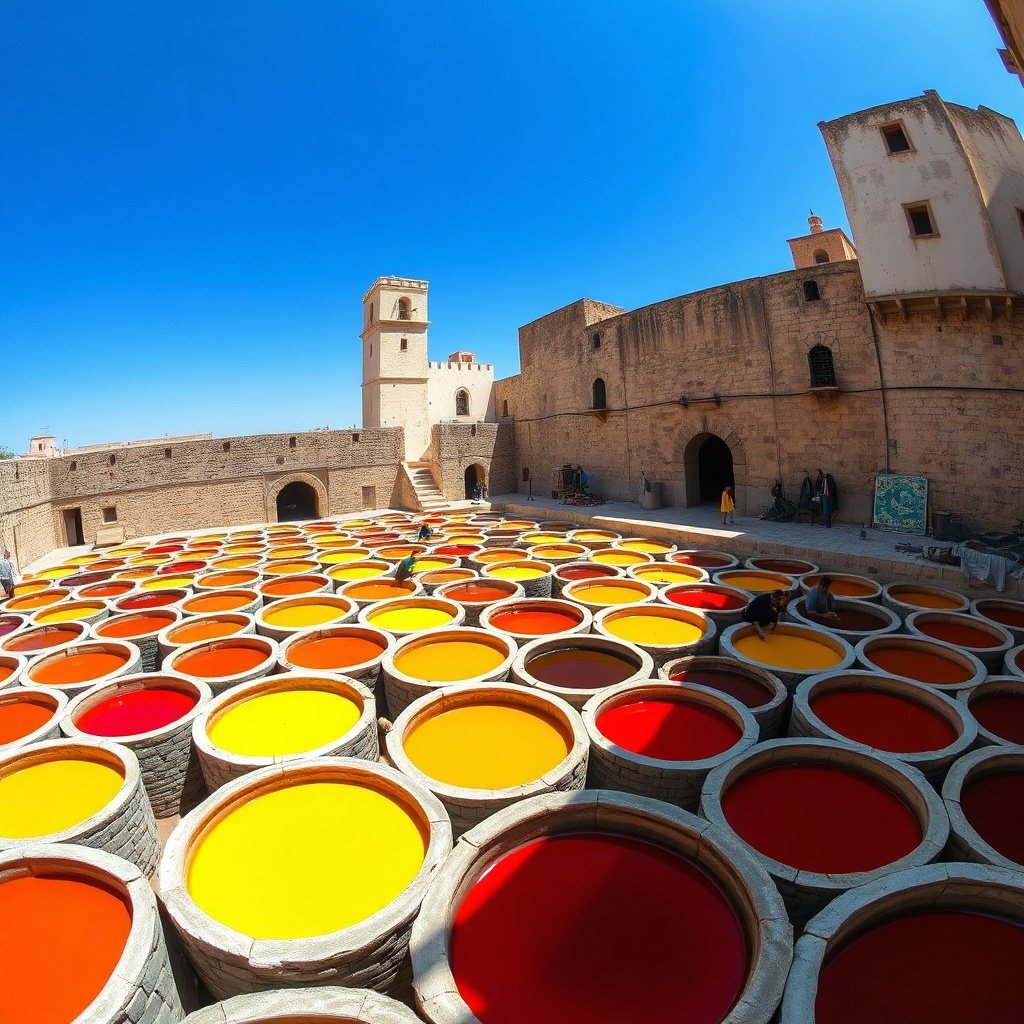
An aerial view of the traditional leather dyeing process in Fes.
Fes vs. Marrakech: The Preservation of Traditional Living
While Marrakech adapted rapidly to global tourism, Fes remained focused inward on academic preservation and spiritual reflection. In Fes, the ancient guild systems still regulate trades, and local families reside in historic riads rather than selling them to foreign developers. The narrow streets of Fes el-Bali prevent any motorized transport, keeping the medieval atmosphere intact. The following table highlights the core differences between these two historic imperial cities.
| Cultural Dimension | Fes el-Bali | Marrakech Medina |
|---|---|---|
| Primary Cultural Focus | Scholarly, spiritual, and artisanal preservation | Trade, hospitality, and performance arts |
| Urban Transport | 100% Pedestrian and pack animals (donkeys) | Motorbikes, bicycles, and handcarts |
| Artisanal Structure | Strict hereditary guilds (Corporations d'arts et métiers) | Independent workshops and modernized boutiques |
| Tourism Integration | Working city first; tourism adapted around local life | Tourism-driven infrastructure and adapted riads |
Artisanal Mastery: The Guilds and Craftsmen of the Ancient Medina
The visual identity of Fes is forged by the hands of thousands of artisans who belong to centuries-old trade guilds. These craftsmen use secret techniques passed down through generations to produce traditional Moroccan handicrafts that define the country's aesthetic. From the vibrant ceramics of the Sidi Harazem road to the intricate metalwork of Place Seffarine, every craft follows strict quality standards enforced by a guild master (Amin). Visitors can witness these living traditions by exploring the specialized souks that occupy distinct sectors of the ancient city.
Quick Answer: Traditional crafts in Fes are managed by hereditary guilds that preserve medieval production methods. Artisans use raw local materials like cedarwood, copper, and clay to create internationally recognized heritage goods.
Chouara Tannery: 11th-Century Leather Crafting Techniques
The iconic Chouara Tannery has operated continuously since the 11th century, making it one of the oldest active tanneries in the world. Here, workers stand waist-deep in stone vessels filled with natural mixtures to process sheep, goat, and camel hides. They use pigeon feces, which contain ammonia, to soften the tough leathers before dyeing them. The vibrant colors come entirely from natural sources: saffron for yellow, indigo for blue, poppy for red, and cedarwood oil for brown.
Seffarine Square: The Rhythms of Traditional Coppersmithing
As you approach Place Seffarine, the metallic ringing of hammers hitting copper echoes through the narrow lanes. In this tiny square, coppersmiths sit on low stools, shaping large cauldrons, teapots, and serving trays from brass and copper sheets. These vessels are essential for local households, used to prepare large feasts for weddings and religious celebrations. The skills required to hammer these metals without cracking them take years of apprenticeship to master.
Zellige Tilework and Woodcarving in Nejjarine
The mathematical precision of Andalusian geometric design is best preserved in Fes's Zellij tilework and cedarwood carving. Master craftsmen, known as Maâlems, chisel individually dyed terracotta tiles into tiny geometric shapes to form complex mosaics. In the nearby Nejjarine quarter, the scent of cut Atlas cedar fills the air as woodcarvers decorate trunks, doors, and ceilings. You can view exceptional historical examples of these crafts at the Dar Batha Museum, located near the Bab Boujloud gate.
Spiritual Traditions: Sufism, Madrasas, and Sacred Architecture
Fes is widely considered the spiritual heartbeat of Morocco, serving as a sanctuary for Islamic scholarship and mystical Sufi practices. The city's skyline is defined by minarets, and its daily rhythms are dictated by the Islamic call to prayer. Historic madrasas, or theological colleges, showcase how sacred architecture can inspire intellectual pursuit. This deep-seated spirituality is preserved by active Sufi brotherhoods who gather weekly for chanting and meditation.
Quick Answer: Sacred architecture in Fes serves as a visual representation of Islamic cosmology, featuring complex geometric patterns, calligraphic plaster, and hand-carved cedarwood designed to inspire spiritual contemplation.
Al-Qarawiyyin: The World’s Oldest Continually Operating University
Founded in 859 AD by a wealthy refugee woman named Fatima al-Fihri, the University of al-Qarawiyyin is recognized by UNESCO as the oldest continuously operating university in the world. It served as a major intellectual bridge, where European scholars like Pope Sylvester II studied Arabic mathematics and philosophy. Today, its library houses over 4,000 priceless manuscripts, including a 9th-century Quran written in Kufic script. While the active mosque remains closed to non-Muslims, you can admire the expansive marble courtyard through its open doors.
Architectural Symbolism in Bou Inania and Al-Attarine Madrasas
The Marinid dynasty of the 14th century constructed spectacular madrasas that served as both student dormitories and neighborhood mosques. The Al-Attarine Madrasa, located near the spice market, features a central courtyard adorned with breathtaking Zellij tilework and carved stucco calligraphy. The Bou Inania Madrasa is unique because it features a fully functional mosque and an iconic minaret. The complex patterns in these structures represent the infinite nature of creation, avoiding human depictions in favor of geometric harmony.
Sufi Orders and the Sanctuary of Moulay Idriss II
The spiritual core of Fes resides in the Zawiya of Moulay Idriss II, the tomb of the city's patron saint and founder. This sacred sanctuary is a place of pilgrimage where locals seek blessings (baraka) for health, fertility, and business success. Surrounding this shrine are the headquarters of various Sufi orders, including the Tijaniyyah and Qadiriyyah brotherhoods. These groups host vibrant public gatherings and annual Sufi music festivals that attract spiritual seekers from across the globe.
Culinary Heritage: The Secrets of Fassi Gastronomy
The refined Moroccan culinary traditions of Fes are widely regarded as the most sophisticated in the Kingdom. Fassi cuisine is characterized by its complex sweet-and-savory flavor profiles, extensive use of spices, and slow-cooking techniques. These dishes were originally developed in the royal kitchens of the imperial palaces, where cooks perfected the balance of fruits, nuts, and meats. Today, these recipes are preserved by local families who prepare them for daily meals and major life celebrations.
Quick Answer: Fassi gastronomy is distinguished by its intricate sweet-and-savory flavor combinations, utilizing local ingredients like orange blossom water, saffron, preserved lemons, and slow-cooked meats.
Pastilla and Pastry: The Arab-Andalusian Flavour Profile
The crown jewel of Fassi gastronomy is the Pastilla, a magnificent pie that perfectly showcases the city's Arab-Andalusian heritage. This dish features layers of paper-thin ouarka pastry filled with shredded pigeon or chicken cooked with saffron, ginger, and spices. The filling is topped with toasted, crushed almonds mixed with sugar and cinnamon, then baked and dusted with powdered sugar. Every bite offers a delicate contrast of textures and flavors that represents the peak of local culinary artistry.
The Daily Ritual of Tea, Communal Bakeries, and Souk Spices
Daily life in Fes el-Bali relies on a network of communal institutions that ensure resource sharing and social connection. The neighborhood wood-fired bakery, known as the forn, bakes the daily khobz (flatbread) for dozens of families who prepare their dough at home. This shared resource reduces wood consumption and serves as a vital community gathering point. When dining in a traditional Fassi home, you must follow a specific set of cultural protocols to show respect to your hosts.
- The Handwashing Ceremony: Before the meal begins, a family member presents you with an ornate brass basin (Tass) and kettle to wash your hands with warm water scented with orange blossom.
- Bread Breaking Etiquette: The host breaks the round khobz bread into individual portions, distributing pieces to guests using only the right hand.
- Communal Tajine Dining: You eat from a shared central earthenware dish, pulling food from the outer edge directly in front of you toward the center using the bread as an eating utensil.
- The Three-Round Mint Tea Service: The meal concludes with gun-powder green tea steeped with fresh spearmint (naana), poured from high above to create a frothy head (rizwa) in small glasses.
Living Ethos: Navigating Local Customs and Social Etiquette
To truly appreciate your cultural immersion Fes, you must understand the local social codes and daily etiquette that govern the medina. Fassi society is deeply traditional, valuing modesty, respect for elders, and community solidarity. Navigating the dense residential quarters requires an awareness of how public and private spaces interact. By observing local customs, you will build mutual respect and enjoy warmer interactions with the residents of this ancient city.
Quick Answer: Fes local etiquette emphasizes modesty, quiet respect in residential areas, and asking permission before photographing people or workshops.
Respectful Engagement in Sacred and Residential Spaces
When exploring the residential alleys of Fes el-Bali, it is important to remember that these are private family spaces. Keep your voice low, walk on the right side of the street to let loaded donkeys pass, and dress modestly by covering your shoulders and knees. Always ask for permission before taking photographs of local residents, especially women and artisans at work. Non-Muslims are not permitted to enter active mosques, but viewing the architecture respectfully from the doorway is welcomed.
The Five Pillars of the Fassi Neighborhood Structure
The historic urban planning of Fes is designed around self-sufficient neighborhoods called Haye. Each of these 156 quarters was planned to contain five essential community institutions that allowed residents to live without leaving their immediate area. These five pillars are: * The Mosque for spiritual guidance and daily prayers. * The Hammam for physical purification and social gatherings. * The Forn (communal bakery) for baking daily bread. * The Saqayya (public fountain) for clean drinking water. * The Kuttab (Quranic school) for childhood education.
The Art of the Hammam: Public Bathing as a Social Institution
The public bathhouse, or hammam, is a cornerstone of daily life that serves as a great social equalizer. Men and women visit separate sections or go at different hours of the day to bathe, steam, and socialize. The ritual involves applying Savon Noir (a natural black soap made from olive oil and eucalyptus) before scrubbing the skin with a coarse Kessa glove. This weekly cleansing process is not just about hygiene; it is a therapeutic ritual that fosters deep community bonds.
Frequently Asked Questions About Authentic Moroccan Culture in Fes
What makes Fes the cultural capital of Morocco? Fes earned its title as Morocco's cultural capital because it has preserved its 9th-century urban structure, traditional craft guilds, and scholarly traditions better than any other city in the kingdom. It houses Al-Qarawiyyin—the world's oldest university—and maintains original Arab-Andalusian architectural and culinary practices in daily life.
Can non-Muslim visitors enter holy sites in Fes? While active places of worship like the Moulay Idriss II Shrine and Al-Qarawiyyin Mosque are closed to non-Muslims inside the prayer halls, visitors can view their courtyards from designated entrances. Deconsecrated historic madrasas, such as Bou Inania and Al-Attarine, are fully open to all visitors for a small entry fee.
How do I experience authentic Fassi culture respectfully? To engage authentically, hire a licensed local guide born within the medina, dress modestly covering shoulders and knees, request permission before taking photos of artisans, and purchase crafts directly from guild workshops rather than third-party resellers.
What is the best time of year to experience cultural events in Fes? The optimal time to experience culture in Fes is during late spring (May-June), coinciding with the Fes Festival of World Sacred Music, or during autumn (September-October) when temperatures are mild enough to comfortably explore the outdoor artisanal quarters.
Conclusion: Experiencing the Unbroken Thread of Fes Culture
Fes is not a static museum frozen in time; it is a dynamic medieval society that continues to thrive in 2026 by balancing modern realities with ancestral traditions. The city's true magic lies in its resilience, maintaining its spiritual, intellectual, and artisanal foundations despite the rapid pace of global change. By taking the time to wander through the car-free alleys, listen to the hammers of Seffarine Square, and share a pot of mint tea, you can touch the living pulse of authentic Moroccan culture Fes. To begin your journey into this mesmerizing world, plan your visit to the historic medina and support the local artisans who keep these ancient traditions alive for future generations.